Choosing ocean wallpaper for your wall means bringing a piece of the vast, serene sea into your living space. Whether you’re aiming for a full immersion with a dramatic seascape or a subtle hint of the coast with abstract waves, understanding your options is key to a successful transformation. Consider the scale of your room and the intensity of the design; a large, busy mural might overwhelm a small powder room, while a delicate pattern could get lost in a large living area.
Types of ocean wallpaper materials and their suitability
The material of your ocean wallpaper impacts its durability, ease of installation, and overall look. Most modern wallpapers, especially those featuring intricate ocean scenes, come in peel and stick varieties, which are a DIYer’s best friend. These are typically made from vinyl or a vinyl-coated paper. True vinyl wallpapers offer excellent durability and are washable, making them suitable for high-traffic areas like hallways or even bathrooms where moisture might be a concern, provided they are rated for such use. Some premium options utilize fabric-backed vinyl for added texture and robustness.
For a more temporary or renter-friendly solution, look for wallpapers specifically labeled as ‘peel and stick’ or ‘removable’. These adhesive-backed options don’t require paste and can usually be repositioned or removed without damaging the underlying drywall. The thickness of the material also matters; a thicker wallpaper can often hide minor imperfections in your wall surface better than a thin one.
Choosing the right ocean-themed design
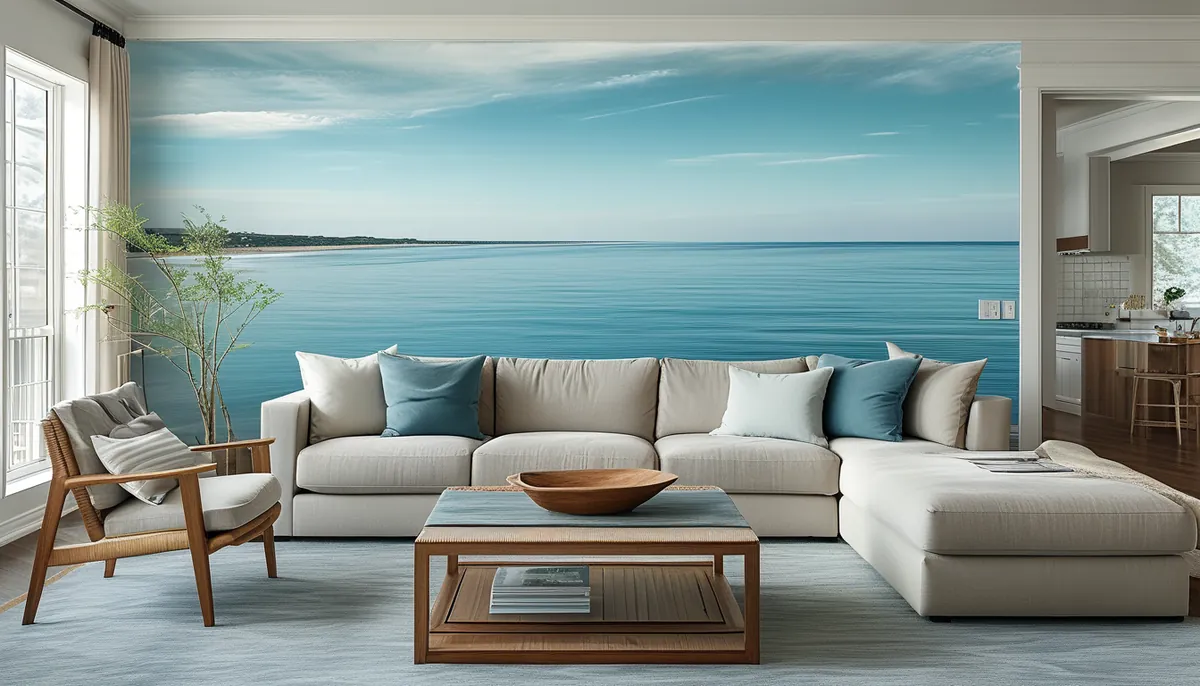
The spectrum of ocean wallpaper designs is wide. You can opt for photorealistic murals depicting crashing waves, tranquil beach scenes, or underwater coral reefs. These are impactful but require careful placement and consideration of the room’s existing decor. For a more subtle approach, consider abstract designs featuring watercolor washes of blue and green, patterns of seashells or starfish, or even simple striped designs in coastal color palettes.
Think about the mood you want to create. A dark, stormy sea motif can add drama, while a light, airy design with soft blues and sandy beiges promotes calmness and relaxation. Consider the color palette: deep blues, teals, and aquamarines evoke the ocean’s depth, while lighter tones like sky blue and white can open up a space. Incorporating elements like subtle sand textures or distressed wood patterns can enhance a coastal feel.
Where to install ocean wallpaper
The placement of your ocean wallpaper can dramatically alter the feel of a room. An accent wall is a popular choice, allowing a bold seascape or pattern to be the focal point without overwhelming the space. This works particularly well in living rooms, bedrooms, or dining areas. For a more immersive experience, consider applying it to all walls in a smaller space, like a bathroom or home office, choosing a design that isn’t too visually busy.
Bathrooms can benefit from ocean themes, but ensure the wallpaper is moisture-resistant or that the bathroom has excellent ventilation. Kitchen backsplashes can also feature ocean-inspired tiles or durable, water-resistant wallpaper designed for such applications, though traditional tiling is more common here. Hallways and entryways are also great spots to make a statement with a welcoming coastal design.
Installation tips for peel and stick ocean wallpaper
Proper preparation is crucial for a flawless finish, especially with peel and stick options. Start by thoroughly cleaning your walls. Remove any dust, grease, or old wallpaper residue. Fill any holes or cracks with spackle, sand them smooth once dry, and prime the area if necessary. Ensure the wall surface is smooth; bumps or texture can affect adhesion and the final appearance.
Most peel and stick wallpapers come with clear instructions. Typically, you’ll peel back a few inches of the backing paper at the top and align the edge of the wallpaper with the ceiling or corner of the wall. Smooth the wallpaper down using a squeegee or a soft cloth, working from the center outwards to push out any air bubbles. As you work down the wall, continue to peel the backing paper and smooth the material. Overlap seams slightly if recommended by the manufacturer, or butt them up against each other for a seamless look. For intricate designs or murals, pay close attention to pattern matching between panels.
Mistake to avoid: Don’t try to apply wallpaper to an unpainted or dirty surface. Adhesion will be poor, and bubbles or peeling are almost guaranteed. Also, avoid stretching the material too much as you apply it, as this can distort the pattern and weaken the adhesive.
Incorporating ocean wallpaper into different design styles
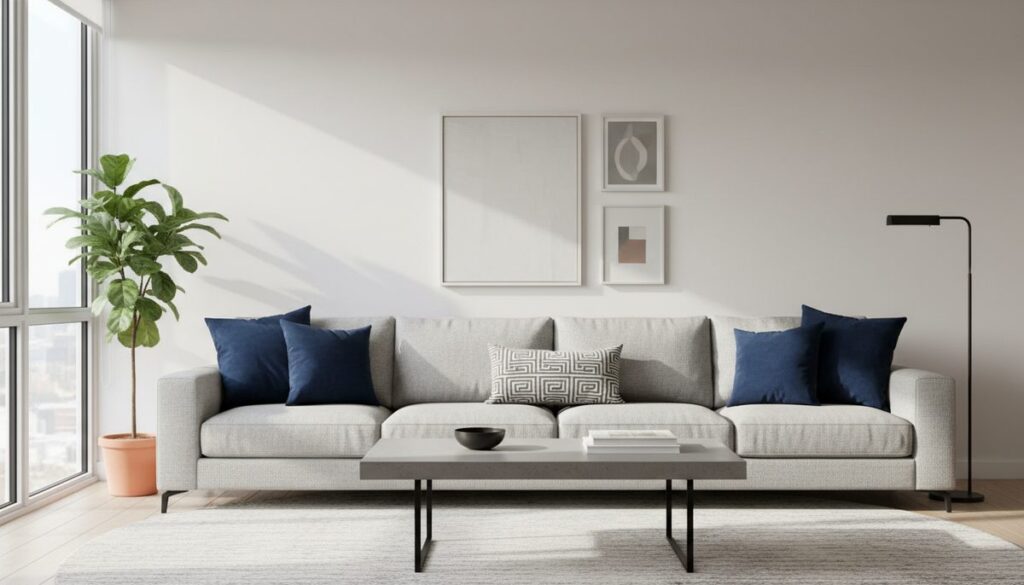
Ocean wallpaper isn’t just for beach houses. It can be surprisingly versatile. In a modern minimalist home, a subtle abstract wave pattern in cool grays and blues can add depth without clutter. For a farmhouse or coastal-chic aesthetic, consider designs with subtle seashell motifs or light, airy patterns. If you love bold statements, a dramatic seascape mural can be the centerpiece of a more eclectic or maximalist design.
Pairing your ocean wallpaper with complementary decor is essential. Think about textures: add natural elements like rattan, jute, or driftwood. For colors, draw from the wallpaper itself – blues, greens, sandy beiges, and whites are natural choices. Throw pillows, rugs, and artwork can reinforce the theme. For instance, if your wallpaper features coral, incorporate coral accents in your soft furnishings. If you’re looking for inspiration on transforming spaces with specific themes, you might find ideas in our guides on Rifle Paper Co. wallpaper or floral wallpapers, applying similar principles of color and texture coordination.
Durability and maintenance of ocean wallpaper
The longevity of your ocean wallpaper depends on the material and the environment. Vinyl and vinyl-coated wallpapers are generally the most durable and easiest to clean. For most peel and stick options, a soft, damp cloth is sufficient for wiping away dust or minor smudges. Avoid abrasive cleaners or excessive moisture, especially if the wallpaper isn’t specifically rated for high-humidity areas like bathrooms. Check the manufacturer’s recommendations for cleaning and maintenance.
Proper installation, including ensuring good adhesion and avoiding premature peeling at edges, contributes significantly to the wallpaper’s lifespan. If you’re considering an advanced DIY project, our guide on easy peel and stick wallpaper can offer further insights into achieving a professional look. For those seeking the very best quality, exploring options like the best high-quality peel and stick wallpaper can lead you to premium products designed for lasting beauty.
When to choose a seascape mural vs. a pattern
A seascape mural offers a panoramic view, instantly transporting you to a specific coastal location. These are ideal for creating a strong focal point and are best used on a single accent wall in a room large enough to appreciate the detail without feeling overwhelmed. Think of a serene beach at sunset or a dynamic view of waves meeting the shore. These can be particularly effective in bedrooms or living rooms where you want to create a specific mood or destination feel.
Patterned ocean wallpaper, on the other hand, provides a more subtle and repeatable visual element. Designs featuring small seashells, anchors, fish, or abstract wave motifs can be used on multiple walls or in smaller spaces. They offer a more cohesive look throughout a room and are generally easier to work with in terms of pattern matching. For a space like a powder room or a child’s room, a playful pattern might be more appropriate than a large, realistic mural. If you’re exploring thematic designs, consider the impact of patterns versus singular images, similar to how one might consider Yellowstone wallpaper designs for their unique visual narratives.
Ultimately, the choice between a mural and a pattern depends on the desired impact, the size of the room, and your personal style. Both can effectively bring the essence of the ocean into your home, creating a refreshing and tranquil atmosphere.