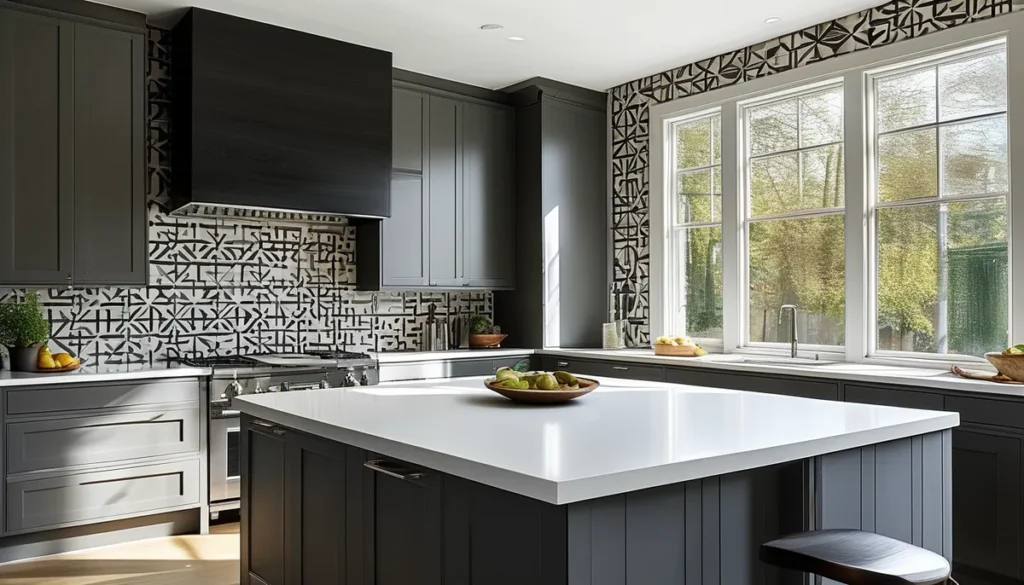
Wallpaper can instantly update a rental space, but the wrong choice can cost you your security deposit. Renter safe wallpaper means it won’t damage the underlying drywall or paint when removed. The key is understanding the adhesive and the material itself. Most rental agreements require you to return the walls to their original condition. This means no ripped drywall, no excessive paint peeling, and no permanent residue.
Peel and stick wallpaper pros and cons for renters
Peel and stick wallpaper is the go-to for most renters. It comes with a pre-applied adhesive on the back, so you just peel off the backing paper and stick it to the wall. Installation is generally straightforward, making it a popular DIY choice. However, ‘peel and stick’ doesn’t automatically mean ‘renter safe’.
Types of peel and stick adhesives
The adhesive is the most critical factor. Look for wallpapers described as ‘removable’, ‘repositionable’, or specifically ‘renter friendly’. These typically use a water-based or acrylic adhesive that is designed to release cleanly. Avoid any wallpaper that uses a permanent or extra-strength adhesive. If the packaging isn’t clear, ask the manufacturer directly. Some peel and stick wallpapers can still pull paint, especially if the paint job in the rental is old or of poor quality.
Material matters for removal
The material of the wallpaper also affects how easily it removes. Vinyl-backed peel and stick wallpaper is durable and often washable, but the vinyl can sometimes make removal trickier if the adhesive is very strong. Fabric-based or textured peel and stick wallpapers can sometimes be easier to remove in larger pieces, provided the adhesive is suitable.
Testing peel and stick wallpaper
Always perform a test patch in an inconspicuous area, like inside a closet or behind a piece of furniture. Apply a small piece of the wallpaper and leave it for a week or two. Then, try to remove it. Check for any paint damage or residue. This step is non-negotiable for renters.
Traditional wallpaper with paste vs. renter safety
Traditional wallpaper requires a separate adhesive paste. While offering a vast range of textures and patterns, it’s generally not recommended for renters unless explicitly stated otherwise by the landlord. The paste can be difficult to remove completely and may damage the drywall if not applied or removed correctly.
Strippable wallpaper
Some traditional wallpapers are labeled ‘strippable’. This means they are designed to be removed in dry sheets after scoring the surface. However, this often refers to removing the top layer, leaving a paper backing that still needs to be removed with water and a scraper, which can be messy and potentially damaging. This is rarely the best option for renters.
Understanding adhesive types and wall damage
The primary concern for renters is adhesive residue and paint damage. Most standard paints (like latex or acrylic) used in rental properties can be lifted by strong adhesives. The thickness and condition of the paint layer are also factors. A thin paint coat is more susceptible to damage than a thicker, well-adhered coat.
What to avoid
You should avoid:
- Wallpapers with permanent or industrial-strength adhesives.
- Applying wallpaper directly over unprimed or damaged drywall.
- Using any wallpaper if your landlord explicitly prohibits it.
- Relying solely on the ‘peel and stick’ label without confirming removability.
What to look for
Seek out:
- Products specifically marketed as ‘removable wallpaper’ or ‘renter friendly’.
- Wallpapers with a proven track record of clean removal.
- Brands that offer samples so you can test their adhesive.
- A water-based or low-tack acrylic adhesive.
Installation tips for renter safe wallpaper
Proper installation is crucial for easy and damage-free removal. Clean your walls thoroughly before starting. Dust, grease, or grime can prevent the adhesive from bonding properly, but also make removal difficult later. Use a mild soap and water solution and ensure the walls are completely dry.
Surface preparation
Ensure the walls are smooth and free of imperfections. Fill any holes and sand them smooth. If the paint is glossy, a light sanding can improve adhesion, but be careful not to damage the underlying drywall. For rentals, it’s often best to stick to slightly satin or eggshell finishes if possible, as super glossy finishes can sometimes be problematic for removers.
Cutting and alignment
Measure carefully and use a sharp blade for cutting. Overlap seams slightly, usually about 1/8 inch, to ensure full coverage and prevent light from showing through the gaps. Use a smoother tool to press out air bubbles as you go. For complex patterns, pay close attention to the pattern match between panels. This is essential for a professional look and can sometimes make removal easier as the seams are less distinct.
Removal process for renter safe wallpaper
The removal process should be as straightforward as installation if you chose the right product and installed it correctly. Start in a corner, preferably where you ended the installation. Gently pull the wallpaper down at a 45-degree angle. Slow and steady wins the race here. If you encounter resistance, stop.
Dealing with stubborn sections
If a section isn’t peeling easily, it might indicate a weak adhesive or poor paint adhesion. Try using a hairdryer on a low heat setting to warm the adhesive, which can help it release more easily. Never use sharp tools like razor blades directly on the wall, as this will almost certainly cause damage.
Removing residue
If there’s any minor residue left behind, it can usually be removed with a soft cloth dampened with warm water or a mild adhesive remover specifically designed for wallpaper. Test any remover in a small, hidden area first. Always wipe down the wall with a clean, damp cloth afterward to remove any cleaning solution.
When to consult your landlord
Before you even buy any wallpaper, check your lease agreement. Some leases have specific clauses about alterations to the walls, including wallpaper. If you’re unsure, it’s always best to get written permission from your landlord. Document the condition of the walls before you start, and take photos during the installation and removal process. This documentation can be invaluable if any disputes arise about wall damage.
Alternatives to wallpaper for renters
If you’re hesitant about wallpaper or your landlord is particularly strict, consider these alternatives:
- Wall decals: Large vinyl stickers that can add personality without covering an entire wall. They are typically very easy to remove.
- Paint: If your lease allows for painting, choose a color you love. Just be prepared to paint it back to the original color before moving out, unless your landlord agrees otherwise.
- Command strips: For hanging artwork or temporary decor, Command strips offer a damage-free solution.
- Removable wall panels or art: Some companies offer decorative panels that can be attached without permanent adhesives.
When looking for beautiful designs, you can explore options like Rifle Paper Co. wallpaper, which often comes in high-quality peel and stick formats. Similarly, finding stunning flower patterns like those in flowers on wallpaper designs or dramatic landscapes such as Yellowstone wallpaper designs is possible with renter-friendly options. For a general guide on making the best choice, our easy peel and stick wallpaper guide and our look at the best high-quality peel and stick wallpaper can offer further insights.