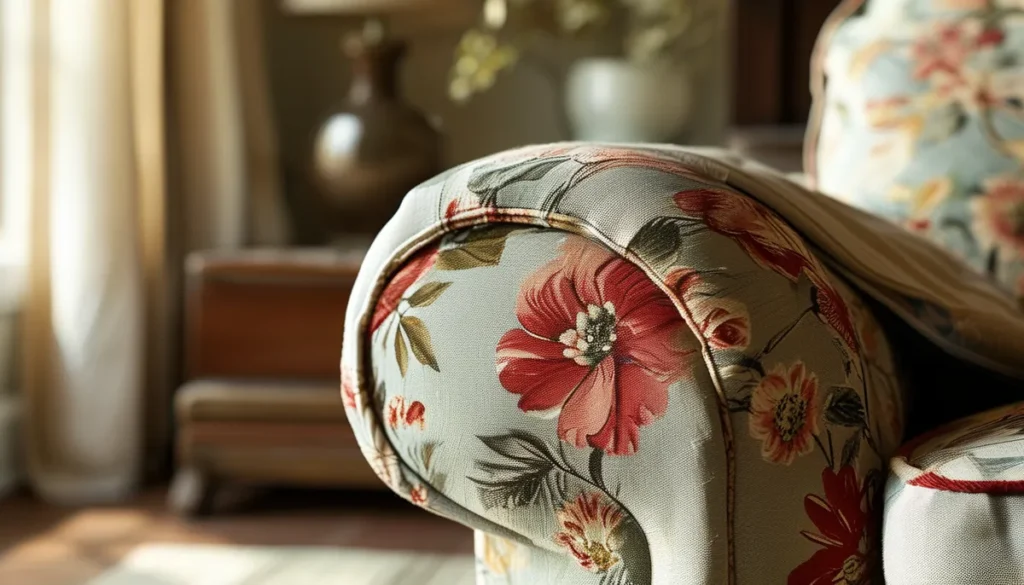
Choosing Rosie’s vintage wallpaper means selecting patterns that tell a story. These aren’t just prints; they’re echoes of past design eras, from the intricate florals of the Victorian age to the bold geometrics of the Art Deco period. When you’re looking at Rosie’s vintage wallpaper, consider the scale of the pattern against the size of your room. A large, dramatic floral might overwhelm a small powder room but could be a stunning focal point in a larger living area. Conversely, a delicate, small-scale print can add subtle texture and interest without dominating the space.
Understanding different vintage wallpaper styles
Rosie’s collection often features distinct styles. You’ll find classic floral patterns, reminiscent of English country gardens or French Provincial aesthetics. These can bring a sense of romance and softness to a bedroom or dining room. Botanical designs, often more scientifically detailed, offer a sophisticated, natural feel and pair well with wood tones and greenery. For a more dramatic effect, look for ‘dark moody’ options. These wallpapers use deep, rich colors like navy, forest green, or charcoal, often with contrasting patterns, to create a sense of depth and intimacy in spaces like a study, a den, or even a dramatic entryway.
Consider the era you’re drawn to. Art Nouveau patterns might feature flowing, organic lines, while designs inspired by the Roaring Twenties could showcase stylized geometric shapes and metallic accents. Understanding these nuances will help you match the wallpaper to your existing decor or the overall theme you want to achieve.
Peel and stick vs. traditional paste-up vintage wallpaper
The installation method is a crucial factor. Rosie’s vintage wallpaper may be available in both traditional paste-up and modern peel and stick formats. Peel and stick is significantly easier for DIYers. You simply peel off the backing and apply the vinyl material directly to your wall. It’s forgiving, allowing you to reposition it during application, and it’s removable without damaging most surfaces when you decide to change your decor. This makes it ideal for renters or those who like to redecorate frequently. You can find more about this in our easy peel and stick wallpaper guide and explore some of the best high-quality peel and stick wallpaper options.
Traditional paste-up wallpaper, while requiring more skill and preparation, often offers a wider range of authentic textures and finishes. It involves applying wallpaper paste to the wall or the paper itself before hanging. This method can provide a more durable and seamless finish, especially for large-scale projects or when replicating historical interiors. However, removal can be more labor-intensive, often requiring water and scraping.
Calculating how much vintage wallpaper you need
Accurate measurement is key to avoiding costly mistakes and unsightly seams. You’ll need to measure the total width and height of the walls you plan to cover. Most wallpaper is sold in rolls with standard widths and lengths. For example, a common US roll is 20.5 inches wide and 33 feet long, covering about 56 square feet. However, pattern repeat significantly impacts how much paper you’ll use. A large pattern repeat means you’ll waste more paper matching the design from one strip to the next.
To calculate: Measure the perimeter of your room in inches and divide by the wallpaper’s width in inches to get the number of strips needed. Then, measure your wall height in feet, add 4-6 inches for trimming, and multiply by the number of strips. This gives you the total linear feet needed. Divide this by the linear feet per roll (usually around 27-33 feet for a standard double roll) to determine the number of rolls. Always round up to the nearest whole roll. It’s better to have a little extra for mistakes or future repairs than to run short.
Where to use Rosie’s vintage wallpaper
The versatility of Rosie’s vintage wallpaper means it can transform various spaces. In a living room, a bold floral or botanical print can serve as a striking accent wall behind a sofa or entertainment center. For a more immersive experience, consider papering all four walls. This is especially effective with darker, moodier patterns to create a cozy, enveloping atmosphere.
Bedrooms are natural fits for vintage designs. A soft floral or a romantic damask can enhance a serene retreat. Consider using it on a feature wall behind the headboard. Even small spaces like powder rooms or entryways can benefit. A vintage wallpaper can add personality and make a memorable first impression. For inspiration on specific themes, check out our guides on Rifle Paper Co. wallpaper, flowers on wallpaper, and Yellowstone wallpaper designs.
Tips for installing vintage wallpaper
Proper preparation is paramount. Ensure your walls are clean, dry, and smooth. Fill any holes or cracks and sand them smooth. If you’re using paste-up wallpaper, you might need to prime the walls with a wallpaper primer to ensure good adhesion and easier removal later. For peel and stick, most smooth, painted surfaces work well, but avoid textured walls or surfaces that are heavily soiled.
When hanging strips, start at a corner or an area that’s less visible to get your technique down. Use a level or a plumb line to ensure the first strip is perfectly vertical. Subsequent strips should be butted up against each other, not overlapped, to avoid visible seams. Smooth out any bubbles or wrinkles as you go, working from the center outwards with a smoothing tool or a clean cloth. Carefully trim any excess paper at the ceiling, baseboard, and around outlets or windows using a sharp utility knife and a straight edge.
Common mistakes to avoid
One of the most common errors is not buying enough wallpaper. As mentioned, always round up your order. Running out mid-project and finding the dye lot has changed on subsequent batches can lead to mismatched colors and patterns.
Another mistake is inadequate wall preparation. Applying wallpaper over dirty, uneven, or glossy paint can lead to poor adhesion, bubbles, and peeling. Ensure the surface is sound. Rushing the installation is also a recipe for disaster. Take your time, measure carefully, and ensure each strip is aligned correctly. If using paste-up, don’t use too much paste, as this can cause the paper to stretch and tear, or lead to bubbling as it dries.
For peel and stick, avoid applying it in extreme temperatures, as this can affect the adhesive. Also, resist the urge to stretch the material as you apply it; let it lie flat. Finally, don’t forget to consider the pattern repeat when planning your layout. Cutting strips randomly without accounting for the repeat will result in a disjointed and unprofessional look.
Maintaining your vintage wallpaper
The care required for Rosie’s vintage wallpaper depends on the material. Most vinyl-backed wallpapers, including many peel and stick options, can be wiped clean with a damp cloth and mild soap. Avoid abrasive cleaners, as they can damage the print or the surface. For traditional paper, a gentler approach is needed; spot cleaning with a damp cloth is usually best, but always test in an inconspicuous area first.
Protecting your wallpaper from direct sunlight is also important, as prolonged exposure can cause colors to fade over time. If you have wallpaper near a heat source, like a radiator or a fireplace, ensure there’s adequate ventilation to prevent excessive heat buildup, which can affect the adhesive and the paper itself.